




What Is Trauma and PTSD?
In psychological terms, trauma is a distressing or disturbing experience that overwhelms an individual's coping ability. It can result from various events, such as accidents, violence, abuse, natural disasters, or witnessing a traumatic event. Traumatic experiences can profoundly impact a person's mental and emotional well-being, often leading to a condition known as
PTSD is a mental health disorder that can develop following exposure to a traumatic event. Symptoms of PTSD can include flashbacks, nightmares, severe anxiety, and intrusive thoughts related to the trauma. Individuals with PTSD may also experience heightened emotional reactivity, avoidance of trauma reminders, and difficulty concentrating. These symptoms can significantly impair a person's daily life, relationships, and overall functioning.
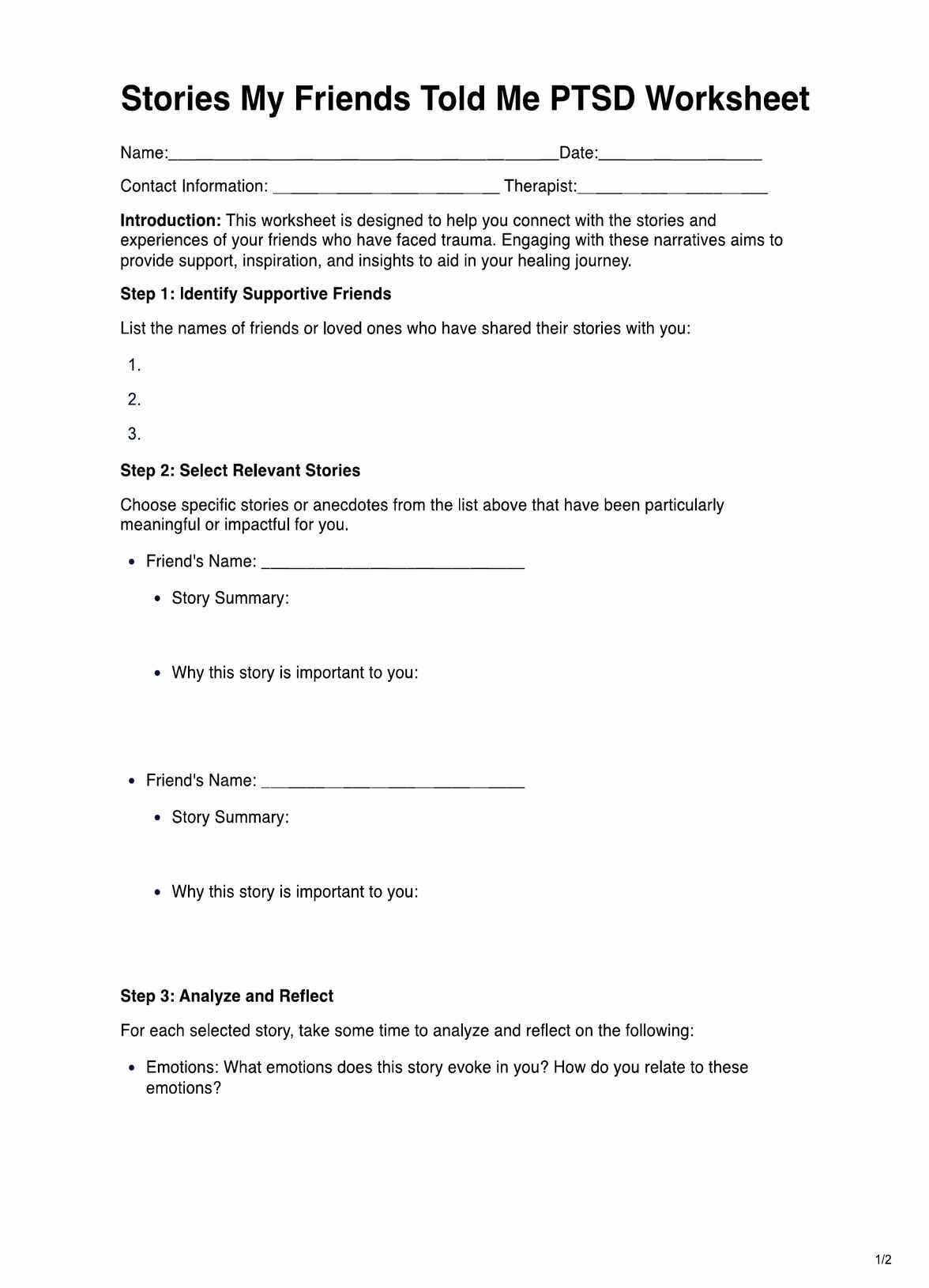
When friends tell stories to someone with PTSD, it can have positive and negative effects. On the one hand, sharing stories of resilience and recovery from trauma can provide hope and inspiration. Knowing that others have overcome similar challenges can reassure individuals with PTSD and may motivate them to seek help and support.
On the other hand, hearing stories of trauma can also trigger distressing emotions and memories for someone with PTSD. Friends must approach these conversations with sensitivity and empathy, respecting the individual's boundaries and emotional state. Encouraging them to seek professional help and offering a listening ear can be more beneficial than forcing them to confront their trauma through stories.
In conclusion, trauma is a distressing event that can lead to the development of PTSD, a debilitating mental health condition. While stories shared by friends can offer support and hope, they should be approached with care, as they can also trigger distressing emotions. Seeking professional help and providing a supportive presence are vital in helping individuals with PTSD on their journey to recovery.









