
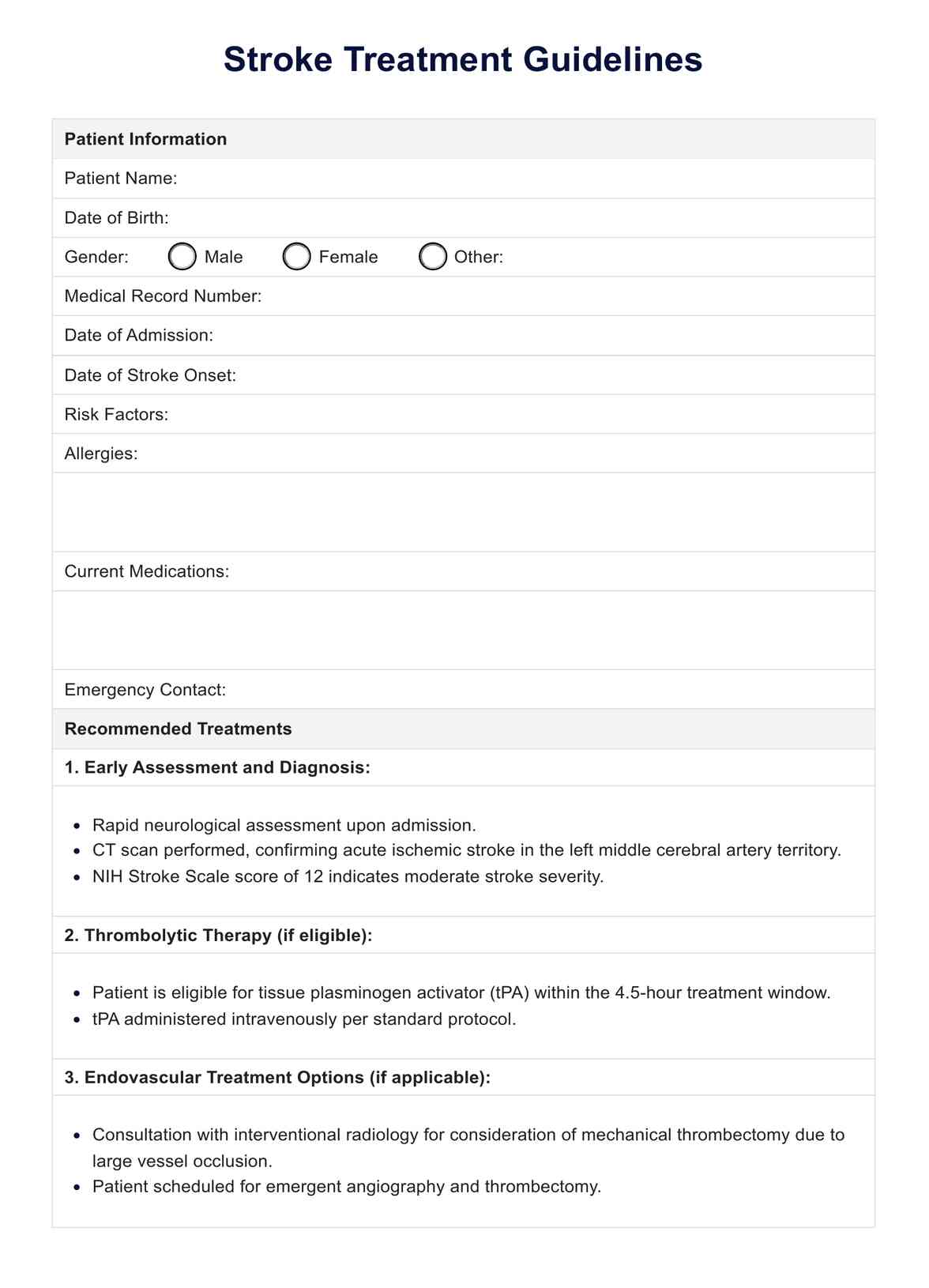




What is a stroke?
A stroke, also known as a cerebrovascular accident (CVA), occurs when the blood supply to part of the brain is interrupted or reduced, depriving brain tissue of oxygen and nutrients. This can happen due to a blockage in an artery (ischemic stroke) or the rupture of a blood vessel (hemorrhagic stroke).
Ischemic strokes are the most common, accounting for approximately 87% of all stroke cases. These can be further classified into transient ischemic attacks (TIAs), where symptoms resolve within 24 hours, and acute ischemic strokes, which require prompt medical attention.
Immediate action is crucial when stroke symptoms appear, as early management can significantly impact clinical outcomes. Lowering blood pressure and administering thrombolytic therapy, such as recombinant tissue plasminogen activator (rt-PA), within the narrow eligibility window can help dissolve clots and restore blood flow to the brain.
Healthcare professionals play a pivotal role in the early diagnosis and treatment of strokes, following guidelines for rapid assessment, imaging, and intervention. Clinical trials continually explore new approaches to stroke management, including perfusion imaging to assess brain tissue viability and physical therapy to aid recovery in stroke survivors.
Stroke symptoms
The symptoms of a stroke can vary depending on the type of stroke and the area of the brain affected. However, there are common signs to look out for, often remembered by the acronym FAST:
- Face drooping: One side of the face may droop or become numb. Ask the person to smile and check if one side of their face is uneven.
- Arm weakness: One arm may become weak or numb. Ask the person to raise both arms and see if one arm drifts downward.
- Speech difficulty: Speech may become slurred or difficult to understand. Ask the person to repeat a simple sentence and observe if they have trouble speaking or understanding.
- Time to call emergency services: If you observe any of these signs, it's crucial to contact emergency services immediately, even if the symptoms disappear. Time is critical in treating a stroke, and early intervention can help prevent further damage to the brain.
In addition to the FAST signs, other symptoms of stroke may include sudden:
- Numbness or weakness of the face, arm, or leg, especially on one side of the body.
- Confusion or trouble understanding speech.
- Trouble seeing in one or both eyes.
- Trouble walking, dizziness, loss of balance, or coordination.
- Severe headache with no known cause.
It's important to note that not all symptoms may be present in every stroke, and some individuals may experience a combination of symptoms. If you suspect that someone is having a stroke, don't wait for all symptoms to appear before seeking medical help. Acting quickly can save lives and minimize the long-term effects of a stroke.
Stroke risk factors
Understanding the risk factors for stroke is crucial for prevention and early intervention. Several factors increase the likelihood of experiencing a stroke, including:
- High blood pressure (Hypertension): Elevated blood pressure is the most significant risk factor for stroke. It damages the blood vessels over time, increasing the risk of blockages or ruptures.
- Smoking: Tobacco use significantly raises the risk of stroke by damaging blood vessels and increasing the likelihood of blood clots.
- Obesity and Physical Inactivity: Being overweight or obese, as well as leading a sedentary lifestyle, can contribute to other risk factors such as high blood pressure, high cholesterol, and diabetes.
- High cholesterol: Elevated LDL cholesterol levels (often called "bad" cholesterol) can lead to plaque buildup in the arteries, narrowing them and increasing the risk of stroke.
- Diabetes: People with diabetes are at a higher risk of stroke due to factors such as high blood sugar levels, which can damage blood vessels and increase the likelihood of clot formation.
- Atrial Fibrillation (AFib): This heart rhythm disorder can cause blood clots to form in the heart, which may travel to the brain and cause a stroke.
- Family history of stroke: Individuals with a family history of stroke are at a higher risk themselves, indicating a possible genetic predisposition to the condition.
- Age: The risk of stroke increases with age, with older adults being more susceptible. However, strokes can occur at any age, including in children and young adults.
- Gender: Men have a slightly higher risk of stroke than women, but women are more likely to die from stroke.
- Race and ethnicity: Certain racial and ethnic groups, such as African Americans, Hispanics, and Native Americans, have a higher risk of stroke due to factors like higher rates of high blood pressure and diabetes.









