
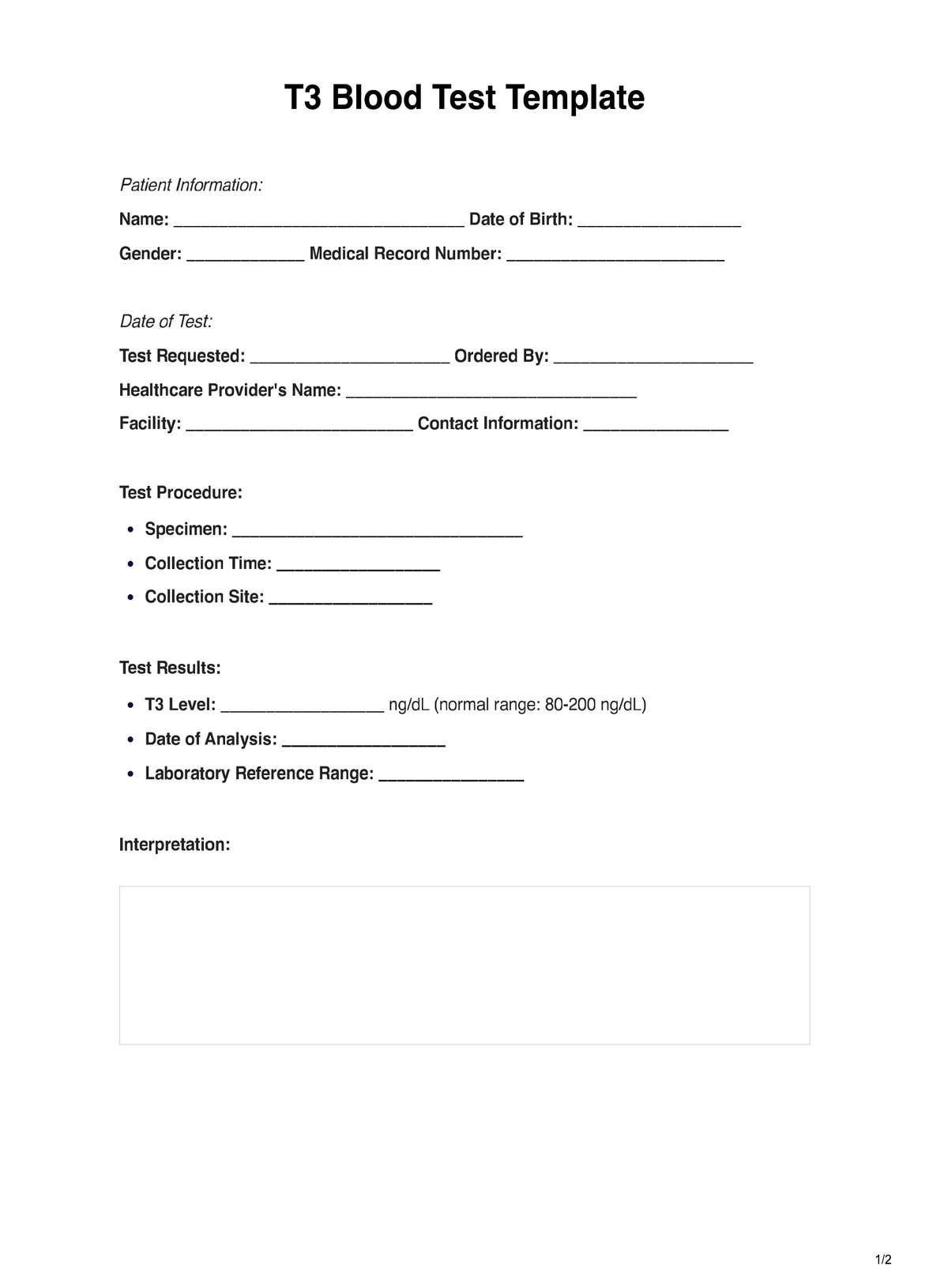




What is a T3 Blood Test?
A T3 blood test, also known as a Triiodothyronine blood test, is a medical diagnostic tool used to measure the levels of the hormone Triiodothyronine (T3) in a person's bloodstream. T3 is one of the two major hormones produced by the thyroid gland, the other being thyroxine (T4), and plays a crucial role in regulating the body's metabolism. This test is vital in assessing thyroid function and can provide valuable insights into a person's overall health.
The T3 blood test is typically ordered by healthcare providers to evaluate thyroid function and diagnose thyroid disorders. It is especially useful in determining if the thyroid gland is overactive (hyperthyroidism) or underactive (hypothyroidism). Hyperthyroidism is characterized by elevated T3 levels, leading to symptoms such as weight loss, rapid heartbeat, and nervousness. Conversely, hypothyroidism, which results from low T3 levels, can cause symptoms like fatigue, weight gain, and depression.
Additionally, the T3 test can be employed to monitor the effectiveness of treatment for thyroid conditions, such as thyroid hormone replacement therapy. Regular monitoring allows healthcare providers to adjust medication doses to ensure the patient's thyroid hormone levels remain within the normal range.
The importance of the T3 blood test extends beyond thyroid health. Abnormal T3 levels can impact various bodily functions, including the cardiovascular and nervous systems, metabolism, and energy production. Early detection and treatment of thyroid disorders can help prevent complications and improve the patient's overall quality of life.
The T3 blood test is a crucial diagnostic tool used to assess thyroid function and diagnose thyroid disorders. It provides essential information for healthcare providers to make informed decisions regarding treatment and monitoring. Maintaining healthy thyroid hormone levels is paramount for overall well-being, as thyroid function influences a wide range of bodily processes. Regular check-ups and consultations with a healthcare professional can help ensure that T3 levels are within the normal range, promoting optimal health and preventing potential complications.









