
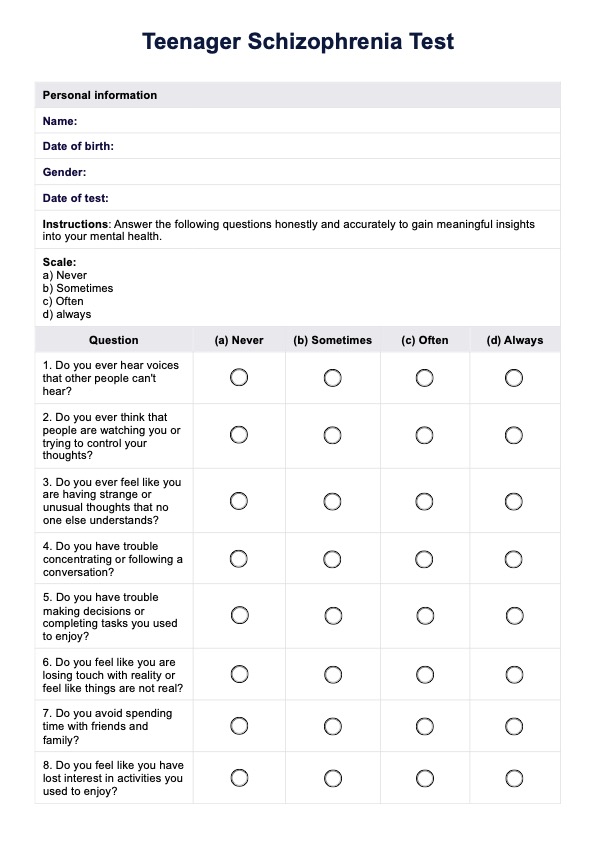




What causes schizophrenia in a teenager?
The exact causes of schizophrenia in teenagers remain unclear, but it is widely accepted that the disorder results from a combination of genetic, biological, and environmental factors. A family history of schizophrenia significantly increases the likelihood of developing this chronic mental health disorder. Genetic predisposition plays a major role, especially in cases of childhood-onset schizophrenia, where early symptoms can be more severe and complex.
Changes in brain chemistry, particularly imbalances in neurotransmitters like dopamine and glutamate, are also believed to contribute to the development of schizophrenia symptoms. These biological factors can disrupt cognitive and emotional functioning, leading to both positive symptoms like hallucinations and delusions and negative symptoms such as social withdrawal and lack of motivation.
Environmental influences, such as exposure to viruses, toxins, or extreme stress during early childhood or fetal development, can also heighten the risk of developing schizophrenia later in life. Stressful life events, including trauma or abuse, can act as triggers for early-onset schizophrenia in individuals already predisposed to the condition. Recognizing early warning signs and understanding both genetic and environmental factors are critical for effective intervention and treating schizophrenia in young people.









