How do virtual physical exams work?
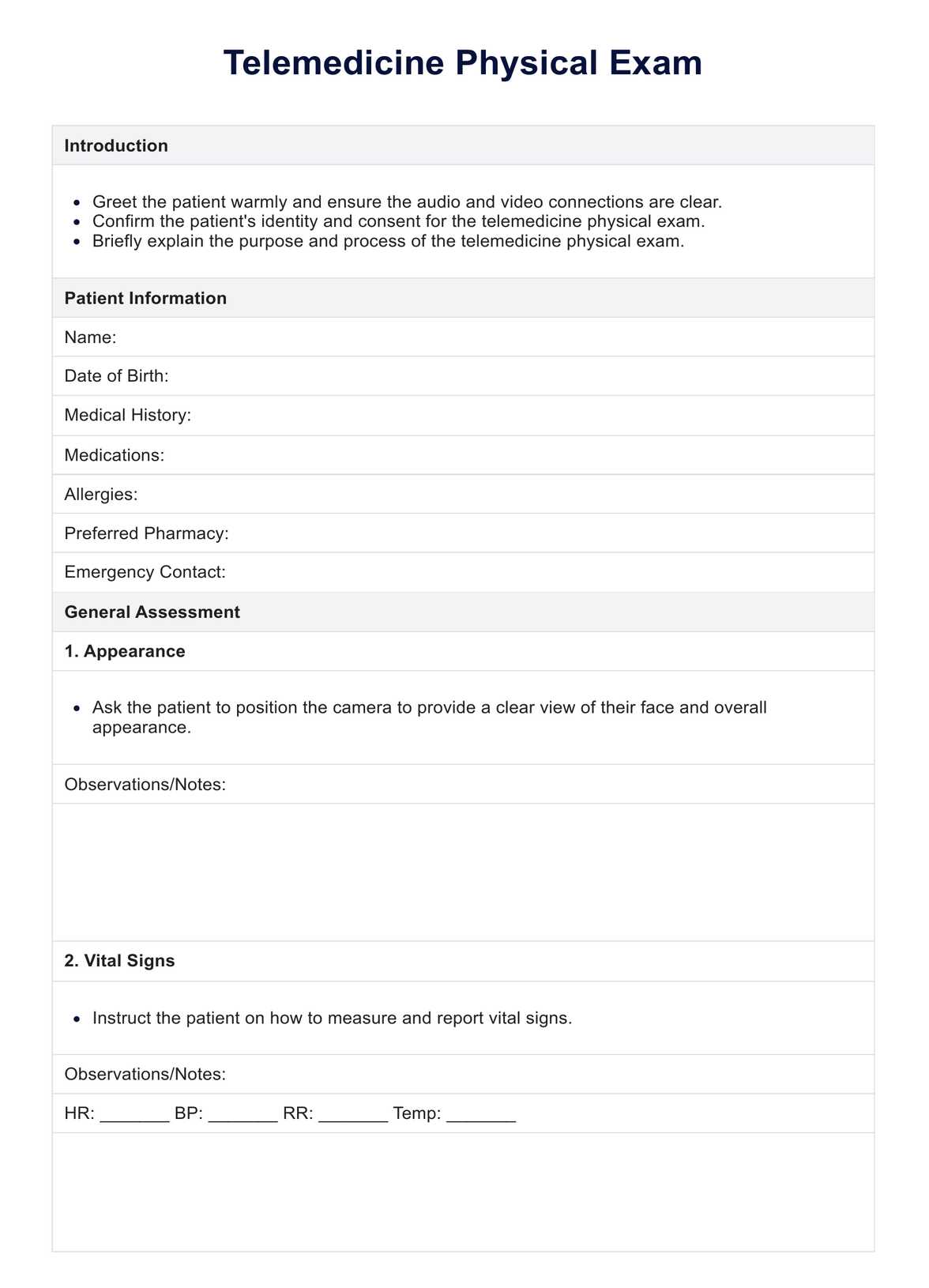
In telemedicine, virtual physical exams offer a novel approach to healthcare, allowing patients to receive thorough medical assessments from the comfort of their homes. The process involves several key steps, each contributing to a comprehensive patient health evaluation.
Step 1: Patient connection and introduction
The virtual physical exam begins with patients connecting to a secure telemedicine platform. This initial step establishes a secure and private environment for the medical encounter. The physician introduces the telemedicine session, ensuring the patient's comfort and understanding of the process.
Step 2: Documenting patient information
Physicians gather essential patient information during the virtual encounter. This includes confirming the patient's identity, reviewing medical history, and documenting details such as allergies, medications, and preferred pharmacy. This step lays the groundwork for a personalized and informed examination.
Step 3: General assessment and observation (camera utilization)
Physicians guide patients to position their cameras appropriately to facilitate a clear view of their faces and overall appearance. Through the virtual lens, physicians observe the general appearance, signs of distress, or any visible abnormalities. This real-time observation serves as a foundation for the subsequent evaluation.
Step 4: Vital signs assessment
Patients are instructed to measure and report vital signs, including heart rate, blood pressure, respiratory rate, and temperature. Physicians guide patients through the process, ensuring accurate and reliable self-reporting. This step provides critical information on the patient's physiological status.
Step 5: Symptom review and patient statements
Physicians discuss their chief complaints and specific symptoms with patients. Open-ended questions gather information about symptoms' onset, duration, and characteristics. Patient statements are documented to enhance understanding of the individual's health concerns.
Step 6: Functional assessment (range of motion and muscle strength)
Physicians guide patients through a simple range of motion exercises and muscle strength tests. Through verbal instructions and visual observation, physicians assess any limitations, discomfort, or abnormalities in physical activity, providing insights into musculoskeletal health.
Step 7: Neurological assessment and specific system review
Basic neurological assessments include tests for sensation, coordination, and reflexes. A specific system review may be performed depending on the patient's condition. Physicians adapt the virtual platform to address each patient's needs, ensuring a comprehensive evaluation.
Step 8: Medication review and review of labs/imaging
Physicians discuss the patient's current medications, dosage, and any side effects. If applicable, recent laboratory results or imaging studies are reviewed. This step ensures that the virtual physical exam considers the broader context of the patient's health.
Step 9: Follow-up and recommendations
Physicians summarize the virtual physical exam findings and discuss treatment plans, prescriptions, and further evaluation or test recommendations. Follow-up appointments are scheduled as needed to monitor progress and address ongoing health concerns.
Virtual physical exams seamlessly integrate technology, allowing physicians to guide patients through a structured assessment process remotely. The steps outlined in the template ensure a thorough evaluation of the patient's health, leveraging the capabilities of telemedicine to provide personalized and accessible healthcare.