
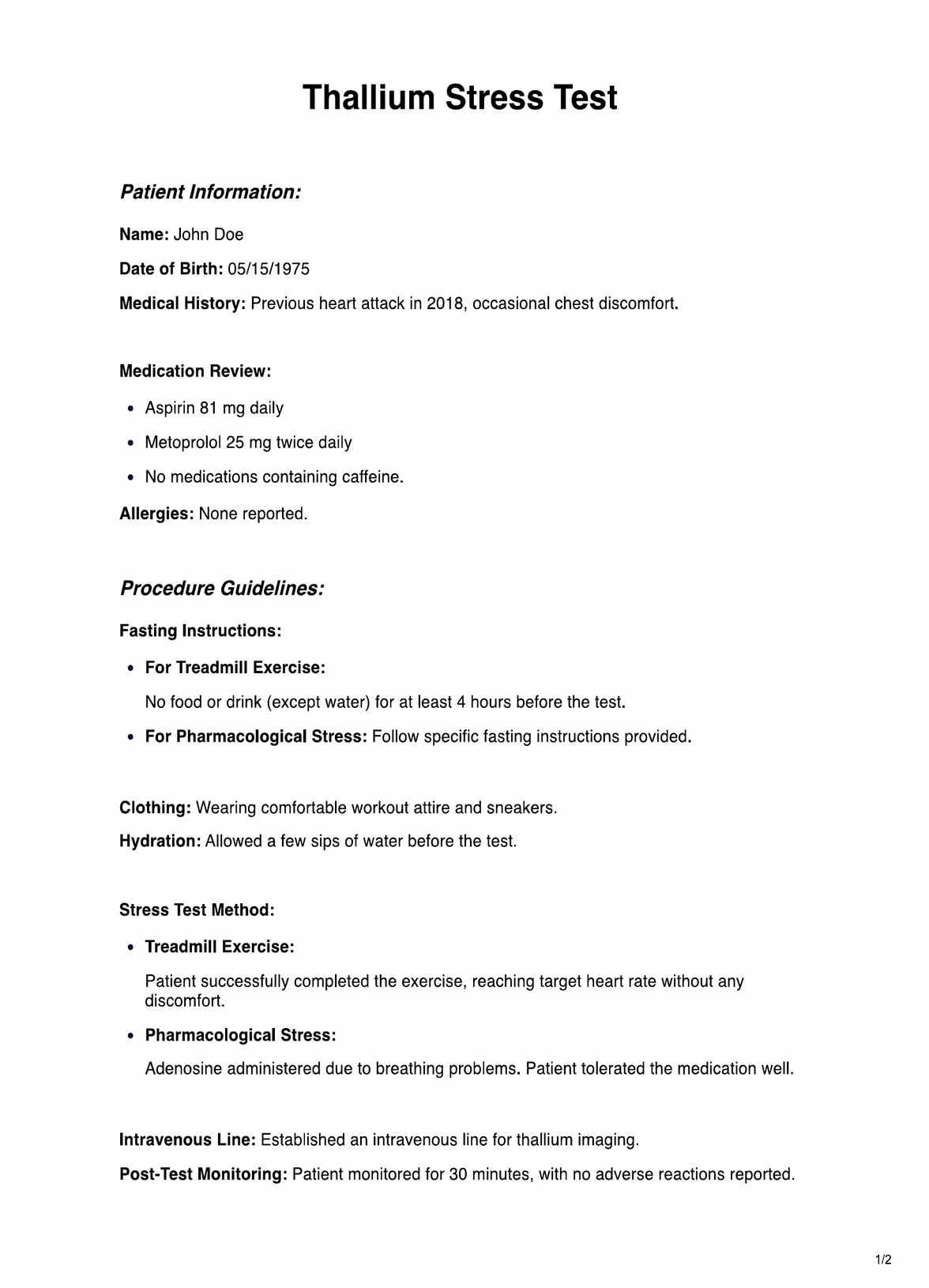




What is a Thallium Stress Test?
A Thallium Stress Test, or nuclear stress test, is a vital diagnostic tool for assessing cardiovascular health, specifically focusing on coronary artery disease. This non-invasive procedure provides crucial insights into blood flow dynamics within the coronary arteries.
During the Thallium Stress Test, patients undergo physical exertion, typically on a treadmill, while their heart rate, blood pressure, and overall cardiovascular performance are closely monitored. Simultaneously, a small amount of thallium, a radioactive substance, is injected into the bloodstream.
The thallium enables precise heart muscle imaging, allowing healthcare practitioners to evaluate blood flow. The test aids in identifying regions of the heart that may not be receiving enough blood flow, which is indicative of reduced blood flow or potential blockages in the coronary arteries.
This diagnostic procedure is especially beneficial for individuals experiencing symptoms such as chest pain or those at risk of stable ischemic heart disease. Thallium Stress Tests are crucial in early detection and intervention, helping prevent further complications.
Tomographic myocardial perfusion imaging creates detailed heart images, offering a comprehensive view of its functioning. This advanced imaging technique enhances diagnostic accuracy, providing a thorough assessment of the cardiovascular system.
For preventive cardiovascular nurses and practitioners, understanding the nuances of Thallium Stress Tests is essential. It empowers them to make informed decisions regarding patient care and intervention strategies. As advocates for heart health, embracing this diagnostic tool enables healthcare professionals to offer personalized and effective interventions.
You can use this nuclear stress test template and stress test template to improve your practice and client experiences.









