
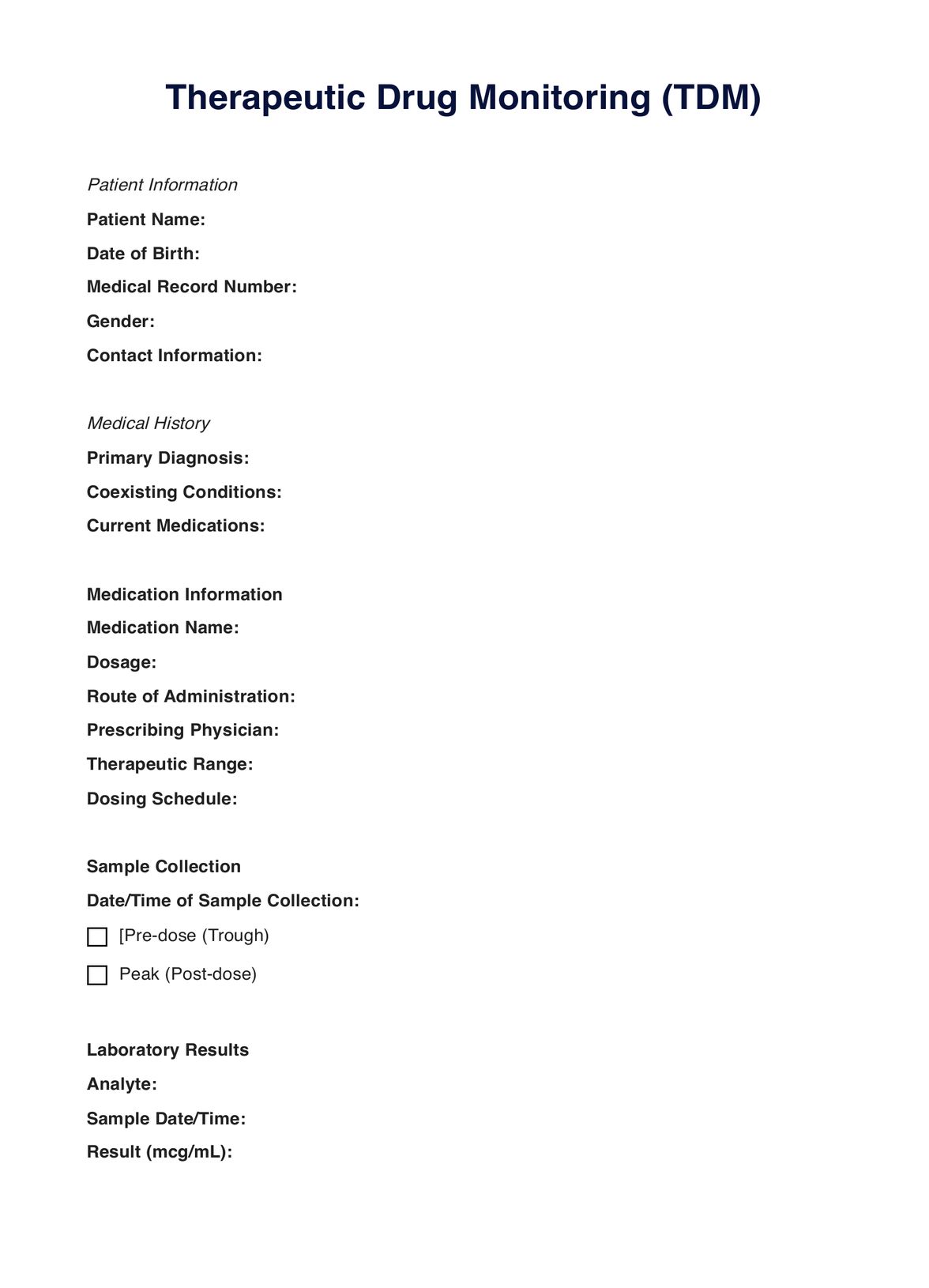




What Is Therapeutic Drug Monitoring?
Therapeutic Drug Monitoring (TDM) is an essential practice in modern healthcare that helps healthcare practitioners optimize patient care by ensuring that medications are administered at the correct dose and in a way that is safe and effective for each individual.
This process involves regularly measuring drug concentrations in a patient's blood, urine, or bodily fluids to assess their response to a specific medication. TDM serves as a crucial tool in tailoring treatment to meet the unique needs of each patient.
The primary objectives of Therapeutic Drug Monitoring are:
- Personalized Medicine: TDM allows healthcare professionals to customize medication regimens based on a patient's unique factors, such as age, weight, metabolism, and underlying medical conditions. This personalized approach maximizes the therapeutic benefits while minimizing potential side effects.
- Safety: By closely monitoring drug levels, TDM helps identify and prevent adverse drug reactions or toxicities when a medication is administered at doses that are too high or too low for an individual.
- Treatment Efficacy: TDM helps assess whether a medication works as intended. It is especially valuable when treating conditions with a narrow therapeutic window, where even slight fluctuations in drug levels can impact treatment outcomes.
- Drug Interactions: TDM can help healthcare practitioners manage complex medication regimens by ensuring that multiple drugs do not interact negatively. This is particularly important for patients taking multiple medications for various health conditions.
- Patient Compliance: It can also confirm that patients are taking their medications as prescribed.









