




What are thyroid hormones?
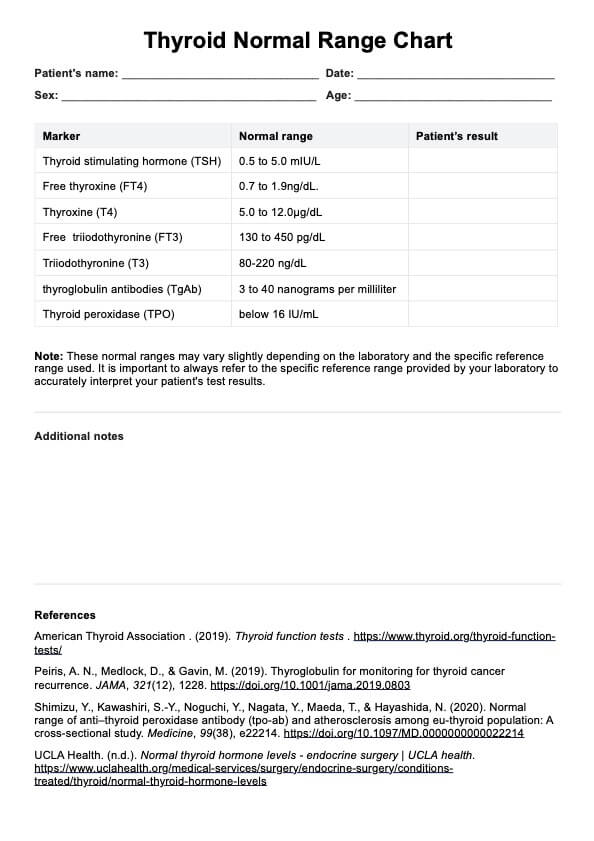
Below the Adam's apple is a small butterfly-shaped gland called the thyroid gland. This gland produces thyroid hormones, mainly thyroxine (sometimes called T4) and triiodothyronine (sometimes called T3). These hormones play essential roles in our body, including the following:
- Digestion and metabolism: They convert the food that we eat into energy. The higher the amount of these hormones, the higher our metabolism gets, which also means an increase in energy usage.
- Weight regulation: Through energy expenditure, thyroid hormones help us regulate our body weight.
- Blood pressure regulation: They help balance our blood pressure and keep it at normal levels, and by extension, they also help regulate our heart rate.
- Internal temperature regulation: These hormones help regulate our body temperature by influencing how much body heat is produced and dissipated.
- Growth: These hormones influence the development of our hair, nails, and skin.
The thyroid gland works alongside the hypothalamus and the pituitary gland. The hypothalamus releases thyrotropin-releasing hormones (sometimes called TRH). These hormones nudge the pituitary gland to release thyroid-stimulating hormones (sometimes called TSH), which stimulate the thyroid gland to release T3 and T4.









