



What Is a Thyroid Panel Test?
A thyroid panel test is a blood test that measures various markers related to the thyroid gland's function. The thyroid is a small, butterfly-shaped gland located in the neck, and it plays a crucial role in regulating the body's metabolism and various other physiological processes. A thyroid panel typically includes several different blood tests that provide information about the thyroid's activity and can help diagnose thyroid disorders.
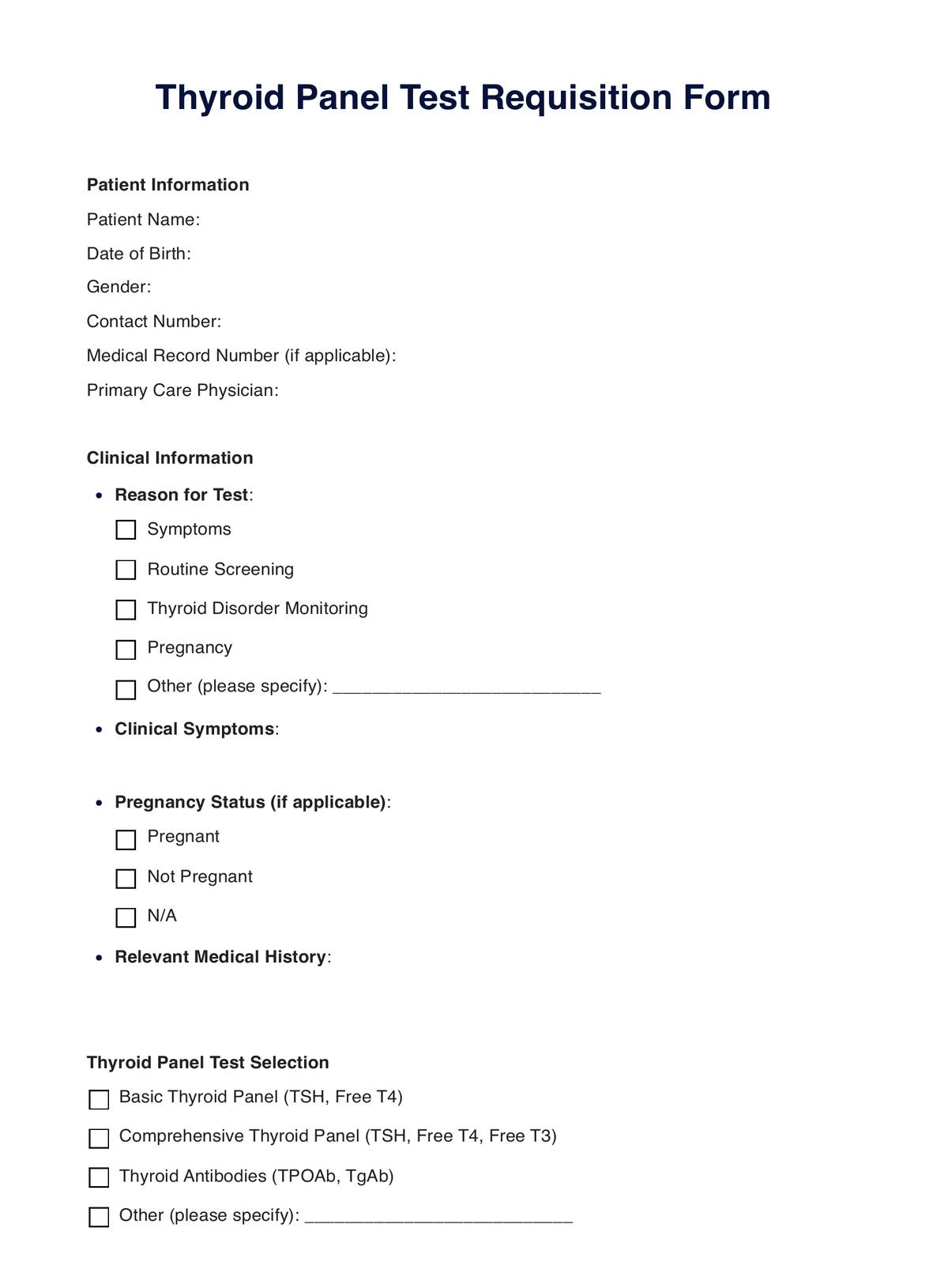
The key components of a standard thyroid panel test include:
- TSH (Thyroid-Stimulating Hormone): TSH is produced by the pituitary gland and stimulates the thyroid to release thyroid hormones. Elevated or reduced TSH levels can indicate issues with thyroid function.
- T4 (Thyroxine): T4 is a thyroid hormone produced by the thyroid gland. It is mainly in its inactive form and is converted to the more active hormone T3 in the body.
- T3 (Triiodothyronine): T3 is the active form of thyroid hormone affecting metabolism. Measuring T4 and T3 levels can help assess the thyroid's overall function.
- Free T4 and Free T3: These tests measure the levels of unbound (free) T4 and T3 hormones in the blood, which are considered more accurate indicators of thyroid function than total T4 and T3.
- Thyroid Antibodies: These tests, including anti-thyroid peroxidase antibodies (TPOAb) and anti-thyroglobulin antibodies (TgAb), can help identify autoimmune thyroid conditions like Hashimoto's thyroiditis or Graves' disease.
Thyroid panels are commonly used to diagnose thyroid disorders, monitor treatment, determine medication dosage, and evaluate related health issues. Interpreting a thyroid panel with a patient's symptoms and history is key for diagnosis. If you have symptoms or suspect thyroid issues, your healthcare provider may recommend a panel test.