
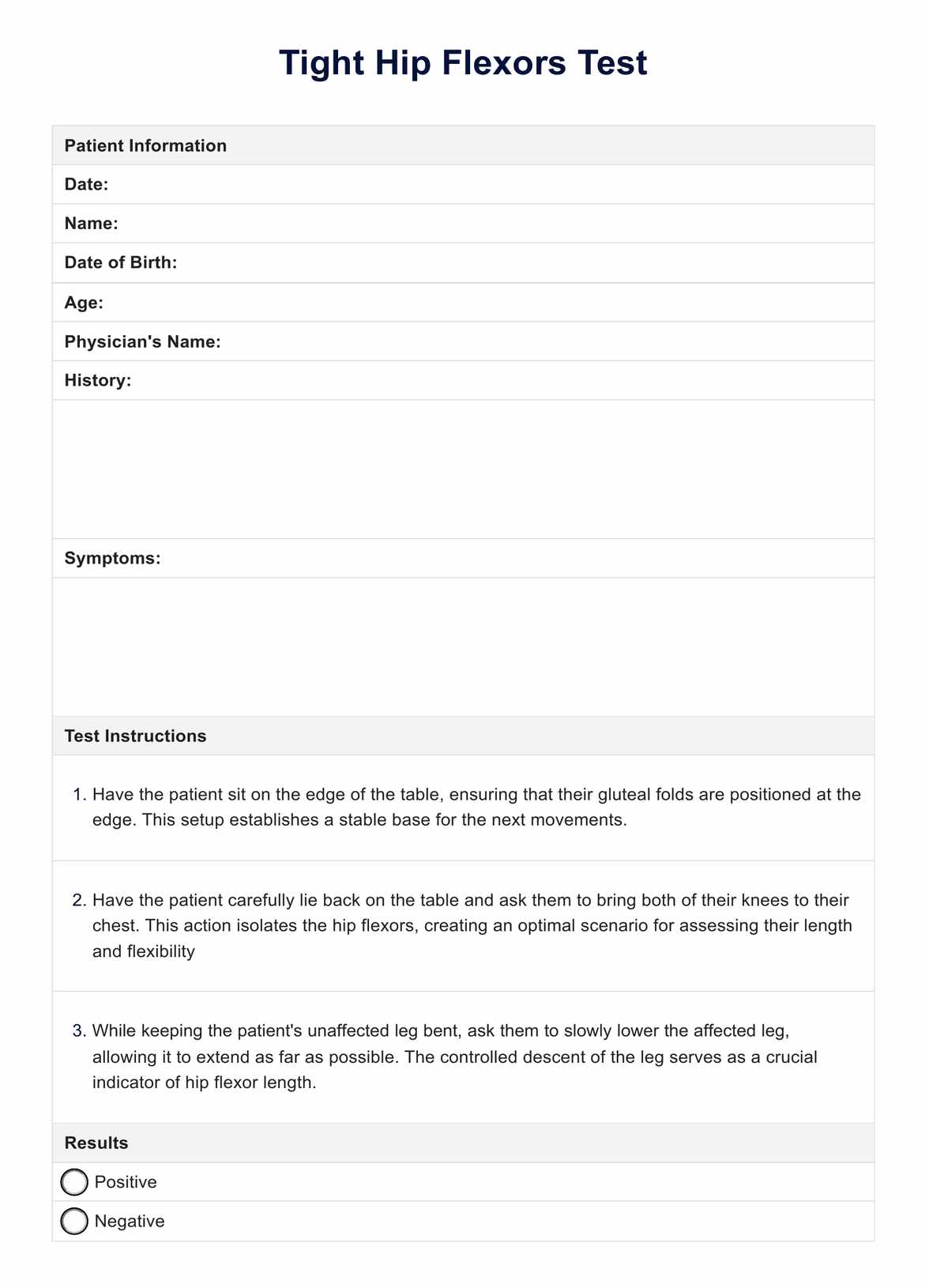




What is the hip joint?
The hip joint is a pivotal structure within the human body, facilitating a delicate balance between mobility and stability. Situated at the meeting point of the trunk and lower limbs, the hip joint plays a fundamental role in a myriad of daily activities, ranging from simple ambulation to more complex movements like running, jumping, and dancing.
Understanding the hip joint's structure and function is imperative for healthcare professionals, physiotherapists, athletes, and individuals seeking to maintain optimal musculoskeletal health. Injuries or conditions affecting the hip joint can significantly impact mobility and quality of life, underscoring the importance of preventive measures, rehabilitation, and timely medical intervention when needed.
What does it mean to have a tight hip?
The sensation of tight hips encapsulates a distinct feeling of tension enveloping the hip flexors, a cluster of muscles situated at the upper thighs that bridge the upper leg to the hip. These vital muscles orchestrate pivotal movements, enabling the bending at the waist and the elevation of the leg. Among the primary actors in this biomechanical ensemble are the iliopsoas, rectus femoris, tensor fasciae lata, and sartorius.
Tight hips pose a tangible risk of injury, as the heightened demands on inadequately moving tissues can compromise their integrity. When hindered by tightness, the intricate interplay of these muscles may disrupt the fluidity of movement and predispose individuals to musculoskeletal issues.
What problems can a tight hip cause?
The repercussions of tight hips extend far beyond mere discomfort, encompassing a spectrum of musculoskeletal issues that can significantly impact daily life. Understanding the potential problems associated with tight hips is crucial for those seeking to mitigate the consequences and maintain optimal physical well-being.
- Lower back pain: Tight hip flexors impose an additional burden on the muscles and ligaments of the lower back, causing pain and discomfort.
- Knee pain: The alignment of the entire leg, from the thigh bone to the knee and ankle, can be disrupted by tight hips, leading to imbalances and subsequent knee pain.
- Sciatica: Tight hip muscles have the potential to compress the sciatic nerve causing pain, numbness, or tingling sensations in the lower back, buttocks, hips, and legs, creating a complex and often debilitating condition known as sciatica.
- Posture problems: Tight hips can instigate postural issues by tilting the pelvis forward in an anterior pelvic tilt.
- Reduced mobility: Restricted hip flexibility limits the ability to perform certain movements or exercises, like walking or running, due to hindered muscles for hip extension, impeding functional mobility and potentially hindering one's ability to engage in physical activities.
- Pain in other areas: The pivotal role of the hips in the body's biomechanics means that tight hips can reverberate throughout the musculoskeletal system, inducing stress in areas such as the back, knees, feet, and shoulders.









