
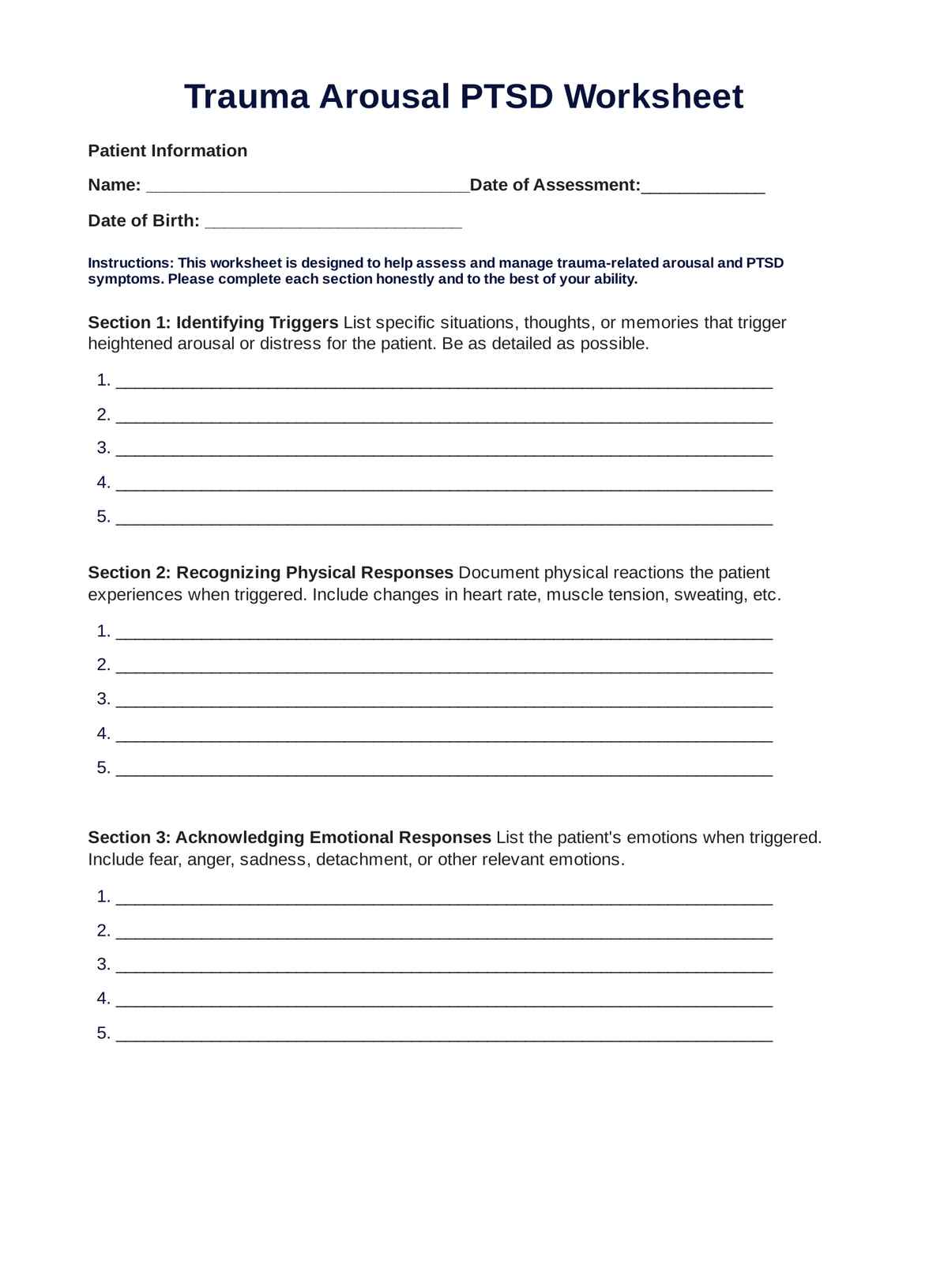




What is Trauma and PTSD?
Trauma is a deeply distressing or disturbing experience that overwhelms an individual's ability to cope with the emotional and psychological impact. Traumatic events can vary widely and may include natural disasters, accidents, physical or sexual assault, combat exposure, or even emotional abuse. When someone experiences trauma, it can have profound and lasting effects on their mental and emotional well-being.
Post-Traumatic Stress Disorder (PTSD) is a specific psychological condition that can develop in some individuals who have experienced trauma. PTSD is characterized by a range of symptoms that persist long after the traumatic event has occurred. These symptoms often include:
- Intrusive Thoughts: Individuals with PTSD may frequently experience distressing and unwanted memories of the traumatic event. These intrusive thoughts can be overwhelming and lead to emotional distress.
- Flashbacks: PTSD can cause individuals to re-experience the traumatic event as if it is happening now. This can be highly distressing and disorienting.
- Avoidance: People with PTSD may avoid situations, places, or people that remind them of the trauma. This avoidance can lead to social isolation and difficulty engaging daily.
- Negative Changes in Mood and Cognition: PTSD can result in persistent negative emotions, guilt, shame, and distorted beliefs about oneself or the world.
- Hyperarousal: Individuals with PTSD may experience heightened alertness, irritability, and difficulty sleeping. They may also be easily startled or have trouble concentrating.
PTSD can significantly impact an individual's quality of life, relationships, and overall functioning. It is a complex condition that often requires professional treatment, such as psychotherapy and medication, to help individuals manage and cope with their symptoms.
are crucial in tracking and coordinating the care of individuals with PTSD and other mental health conditions, ensuring they receive the appropriate support and treatment they need.









