How to manage and treat hip fractures in elderly
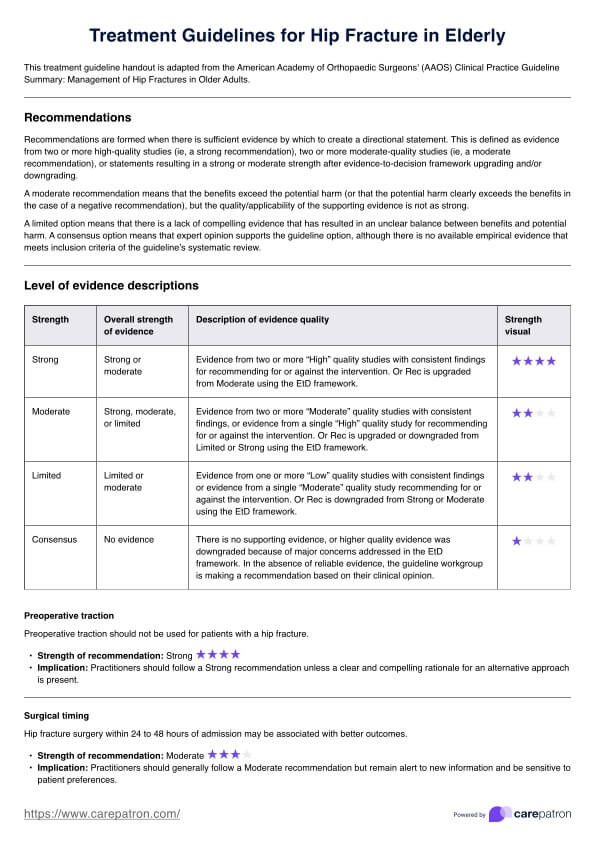
Hip fractures in elderly patients are a significant health concern that requires prompt and effective management to minimize complications and enhance recovery. Given the complexity of treating these fractures, the American Academy of Orthopaedic Surgeons (2021) recommends an approach involving timely surgery, appropriate anesthesia, postoperative care, rehabilitation, and preventive measures is crucial.
Surgical management
Timely surgical intervention is critical for elderly patients with hip fractures. Surgery for hip pain should ideally be performed within 48 hours of hospital admission to reduce the risk of complications such as mortality, prolonged pain, and extended hospital stays. Delaying surgery beyond this window can significantly increase these risks, making early surgical intervention a priority.
The type of surgery performed depends on the specific nature of the hip fracture:
- Femoral neck fractures: Hemiarthroplasty, preferred for patients with significant comorbidities or lower activity levels, involves replacing the femoral head with a prosthesis. Total Hip Arthroplasty (THA), on the other hand, may provide better functional outcomes for healthier and more active patients but carries a higher risk of complications. Internal fixation, considered for younger patients or those with non-displaced fractures, involves stabilizing the fracture with screws or plates.
- Intertrochanteric fractures: Ephalomedullaryy nail is recommended for both stable and unstable fractures due to its ability to provide better stability and facilitate early mobilization.
- Subtrochanteric and reverse obliquity fractures: Cephalomedullary devices are strongly recommended for providing high stability and effectiveness in treatment.
For elderly patients undergoing hip fracture surgery, regional anesthesia (such as spinal or epidural anesthesia) is generally preferred over general anesthesia due to the lower risk of postoperative complications and better pain management associated with regional anesthesia.
Postoperative management
Effective pain management is essential for recovery after hip fracture surgery. A multimodal analgesia approach, including the use of preoperative nerve blocks and various postoperative pain management strategies, is recommended to control pain and improve recovery outcomes.
Managing blood levels is vital for patient recovery:
- Blood transfusion: A threshold of 8g/dL is suggested for asymptomatic postoperative patients to balance the risks and benefits of transfusions.
- Tranexamic acid: Administered during and after surgery to reduce blood loss and the need for transfusions, minimizing risks associated with significant blood loss.
Rehabilitation and interdisciplinary care
Encouraging early weight bearing as tolerated is crucial for improving mobility and reducing complications postoperatively. This approach helps hip fracture patients regain their independence and accelerates rehabilitation. Physical therapy is vital in restoring mobility and strength in elderly patients following hip fracture surgery. A tailored rehabilitation program should be initiated soon to facilitate recovery and improve outcomes.
Implementing interdisciplinary care programs involving orthopedic surgeons, geriatricians, physiotherapists, and nurses can significantly decrease complications and improve overall outcomes. This collaborative approach ensures comprehensive care and addresses the multifaceted needs of elderly patients.
Preventive measures and follow-up
Assessing and treating osteoporosis is essential to prevent future fractures. This may involve pharmacologic treatments such as bisphosphonates and ensuring adequate calcium and vitamin D intake to strengthen bones and reduce fracture risk. Implementing measures such as removing tripping hazards, installing grab bars, and improving lighting to prevent falls is crucial for elderly patients.
Moreover, regular follow-up appointments are necessary to monitor recovery progress, adjust rehabilitation plans, manage pain, and promptly manage complications. Continuous monitoring ensures that patients receive appropriate care throughout their recovery journey.