
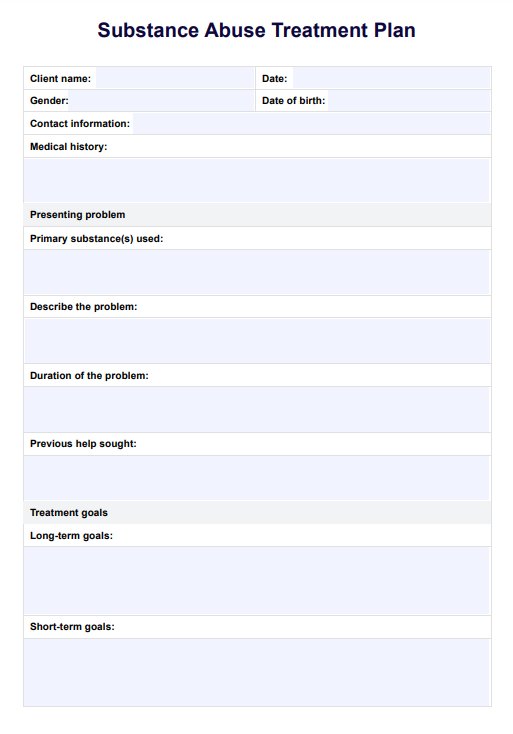




Overview of substance abuse
Substance abuse, or drug abuse, is the harmful use of drugs or substances, including alcohol, prescription medications, and illegal drugs, that negatively affect the individual's physical and mental health, social relationships, and daily responsibilities. A structured substance abuse treatment plan is essential for guiding individuals toward recovery. These treatment plans typically address a range of substance use disorders, providing individuals with effective strategies for achieving and maintaining sobriety.
Signs and symptoms of substance abuse
Recognizing substance abuse early is vital for effective intervention. Common signs include:
- Impaired control over substance use
- Social or interpersonal problems caused by substance use
- Engagement in risky behaviors
- Increased tolerance requiring more of the substance
- Withdrawal symptoms upon cessation
- Strong cravings and neglect of daily responsibilities
Causes and risk factors for substance use disorders
Several factors contribute to the development of substance use disorders, such as genetic predispositions, environmental influences, mental health disorders, peer pressure, stress, trauma, and early drug exposure. These factors are often addressed in mental health treatment or behavioral therapies, which are critical components of a comprehensive treatment program.
Types of treatment programs
Substance abuse treatment offers various treatment programs and intensive outpatient treatment options depending on individual needs and the severity of the substance use disorder. These programs may include outpatient programs, intensive outpatient treatment, and residential treatment programs for severe cases. Each program combines elements of behavioral therapy, relapse prevention, and sometimes medication-assisted treatment to support the recovery journey.
Recovery process and ongoing support
The recovery process extends beyond the initial treatment phase, requiring ongoing support and lifestyle changes to maintain sobriety. Treatment programs often incorporate community-based resources and substance abuse treatment plans that provide actionable steps for continued success. Effective treatment includes regular follow-ups and access to support networks to ensure sustained recovery, while structured treatment plans help individuals build resilience against potential triggers and avoid relapse.









