
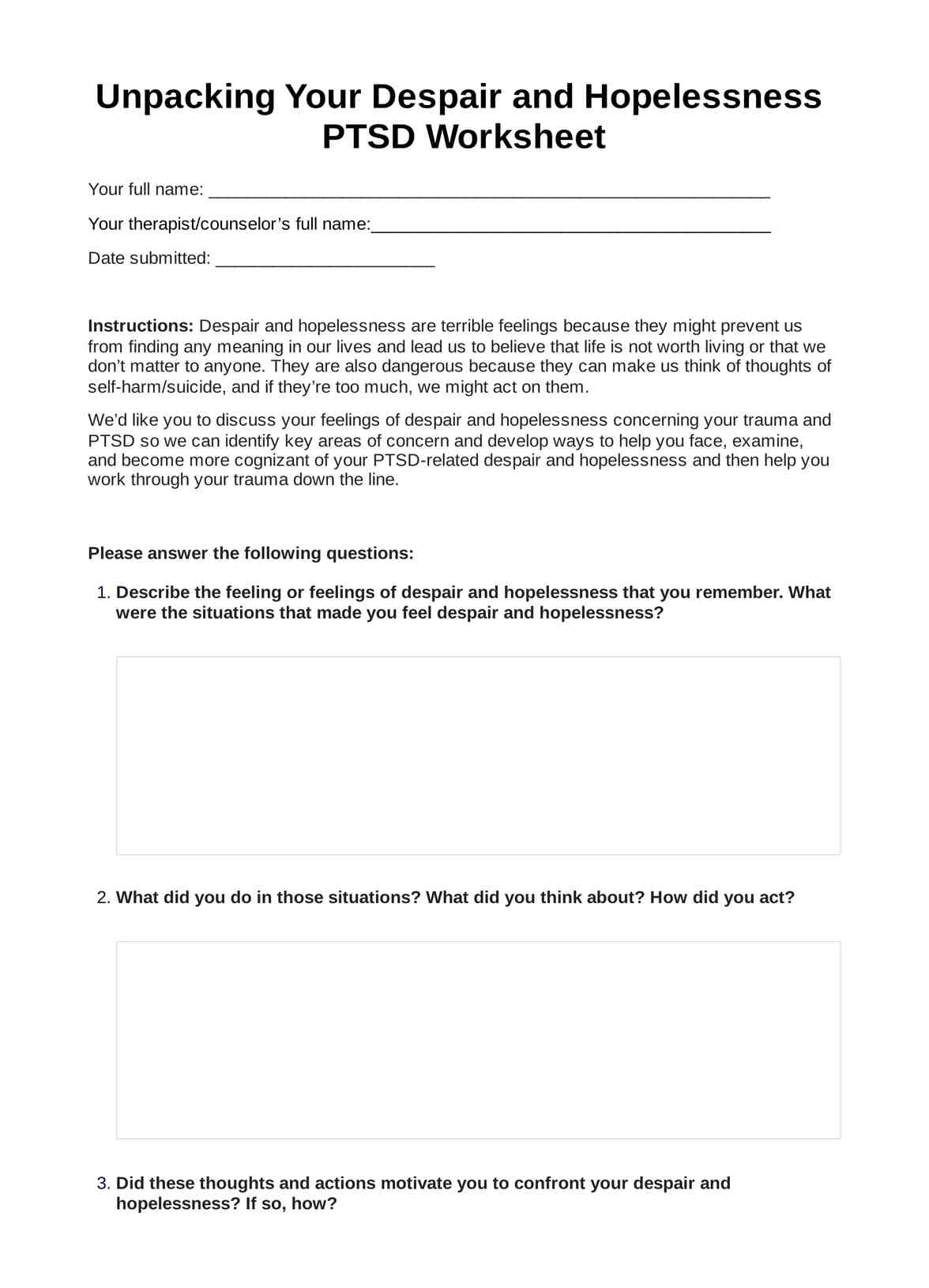




What are Trauma and PTSD?
Trauma can be physical or mental, but for this guide, we’ll focus on the mental kind of trauma.
When we speak of trauma here, we’re referring to the psychological and emotional responses (which vary in intensity, depending on the person) to specific events and experiences that they consider overwhelming, horrifying, distressing, and/or violating. Examples of such events include being sexually harassed and assaulted, realizing you’ve been emotionally manipulated for years, participating in bloody and pointless wars, being the victim of a hate crime, and losing everything to a natural disaster.
The psychological and emotional scars such events can leave on people will make it difficult for the traumatized to cope! And these scars can be triggered from time to time by their memories, senses, and even by being near where their traumatic experiences took place.
Trauma will likely lead to a mental health condition known as Post-Traumatic Stress Disorder, or PTSD for short. It’s a complex problem characterized by a wide variety of symptoms, several related to despair and hopelessness. Here are some signs that a person might have:
- Severe depression
- Feelings of sadness and loneliness
- Feelings of emptiness and meaninglessness
- The tendency to isolate themselves from loved ones and friends
- The tendency to isolate themselves from the world
- The tendency to disassociate
- The tendency to have emotional outbursts
- An aversion to happiness and other positive emotions
- Thoughts of self-harm/suicide
- Trouble sleeping
- A loss of interest in anything
For a person to work through their trauma, they need to find healthy ways of coping with their PTSD symptoms and triggers and manage them, but being able to cope and manage them healthily is easier said than done.









