




What are trauma and PTSD?
Trauma, in the context of this subject, is the mental kind. We’re referring to the intense and often severe psychological and emotional scars and responses to certain events and experiences that people consider horrifying, distressing, overwhelming, and/or violating.
Examples of such events that people would deem as such include being a victim of a hate crime, losing your home to a fire, a home invasion, being sexually harassed and/or assaulted, losing a loved one to a plane crash, participating in pointless wars, etc.
The mental scars these events can leave on people make it difficult for the traumatized to manage and cope with their effects. Sadly, these scars will likely stick around forever if they don’t work through their trauma. These scars can be triggered from time to time by memories, senses, and simply being close to where traumatic events occurred.
As a result of these scars, traumatized people will likely develop the mental health condition known as Post-Traumatic Stress Disorder, or PTSD for short. This disorder is complex and is characterized by a wide variety of symptoms, including the following:
- Having severe depression
- Having severe anxiety (which can result in hypervigilance and avoidance)
- Becoming emotionally dependent on others
- Isolation of the self from loved ones, friends, and the world
- Disassociation
- Emotional outbursts
- Difficulty sleeping and maintaining sleep
- Losing interest in doing things, especially the ones they used to love doing
- Having an aversion to positive emotions
- Thoughts of self-harm/suicide
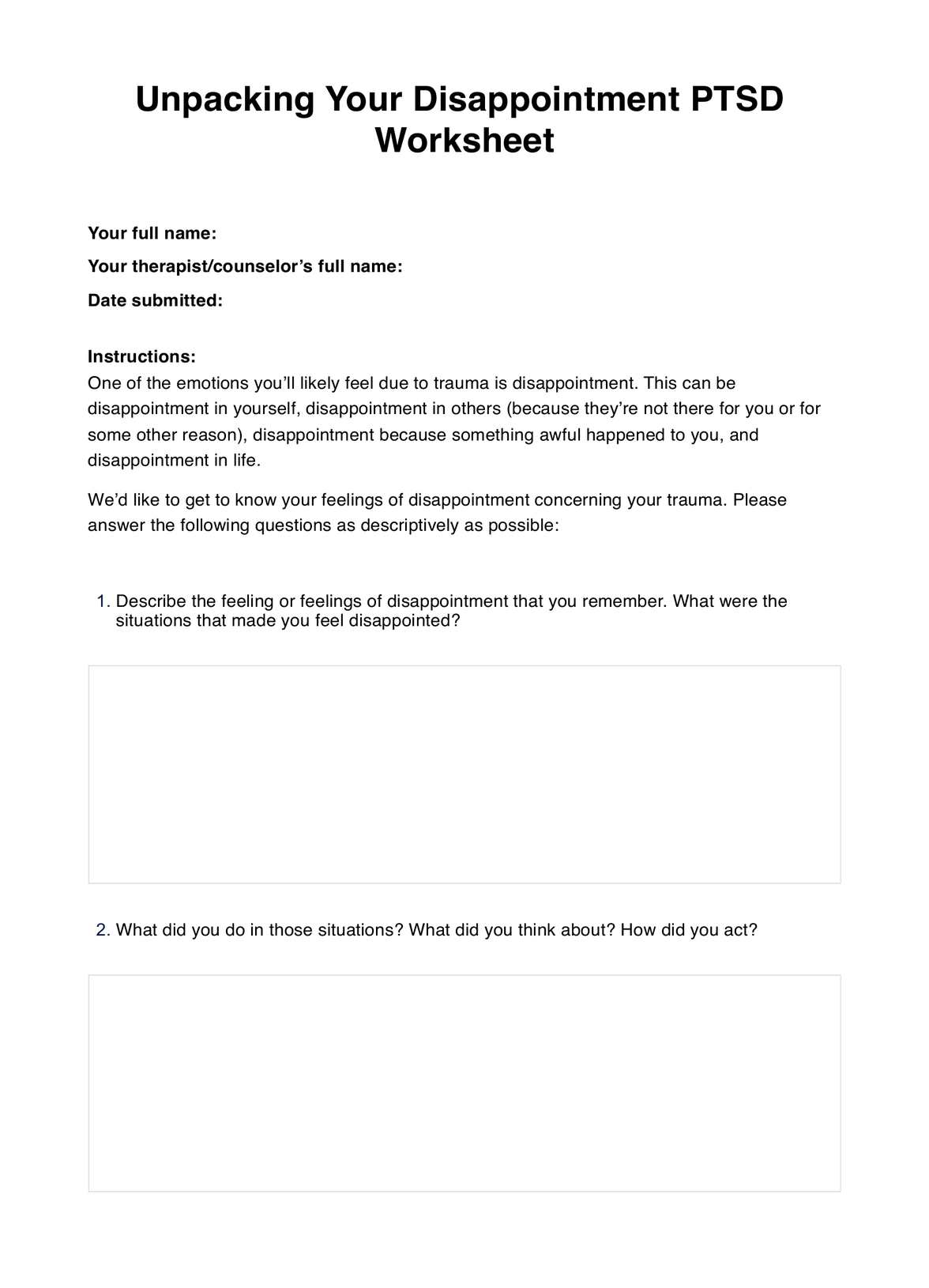
They will also feel a variety of emotions as a result, such as disappointment, guilt, shame, spite, and more.
For a person to work through their trauma, they need to confront their feelings and scars and cope with them healthily to manage their PTSD symptoms and triggers, but doing so is easier said than done.









