




What is Trauma and PTSD?
Trauma is an intensely distressing or disturbing event that overwhelms an individual's capacity to cope effectively, resulting in lasting emotional and psychological wounds. These traumatic incidents can encompass a broad spectrum, including natural disasters, accidents, combat experiences, physical or sexual assault, and other life-threatening situations. Trauma leaves profound marks on a person's mental and emotional well-being, often leading to enduring adverse effects that persist long after the traumatic occurrence.
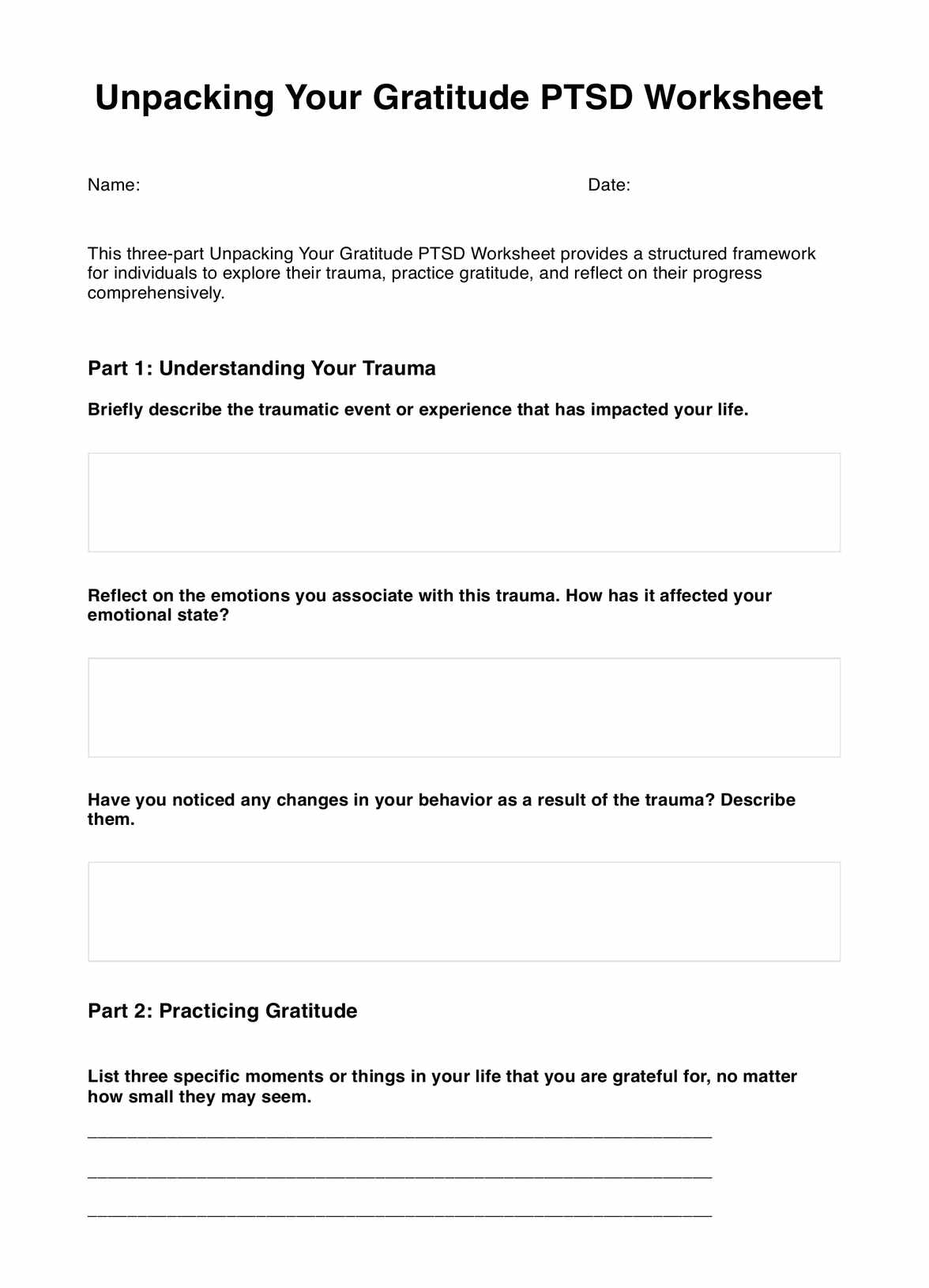
Gratitude, although not a direct treatment for , plays a crucial role in the healing process. It is a potent psychological tool that assists individuals in reframing their perspective and discovering moments of positivity amid the darkness of trauma. By centering on gratitude, individuals can gradually reconstruct their emotional equilibrium and resilience, mitigating some of the distressing effects of trauma.
Integrating gratitude into the recovery process can complement evidence-based therapies like Cognitive Behavioral Therapy (CBT), widely acknowledged for its effectiveness in treating PTSD. Combining CBT with gratitude practices can aid individuals in cultivating healthier thought patterns, managing symptoms more effectively, and fostering resilience on their healing journey.









