
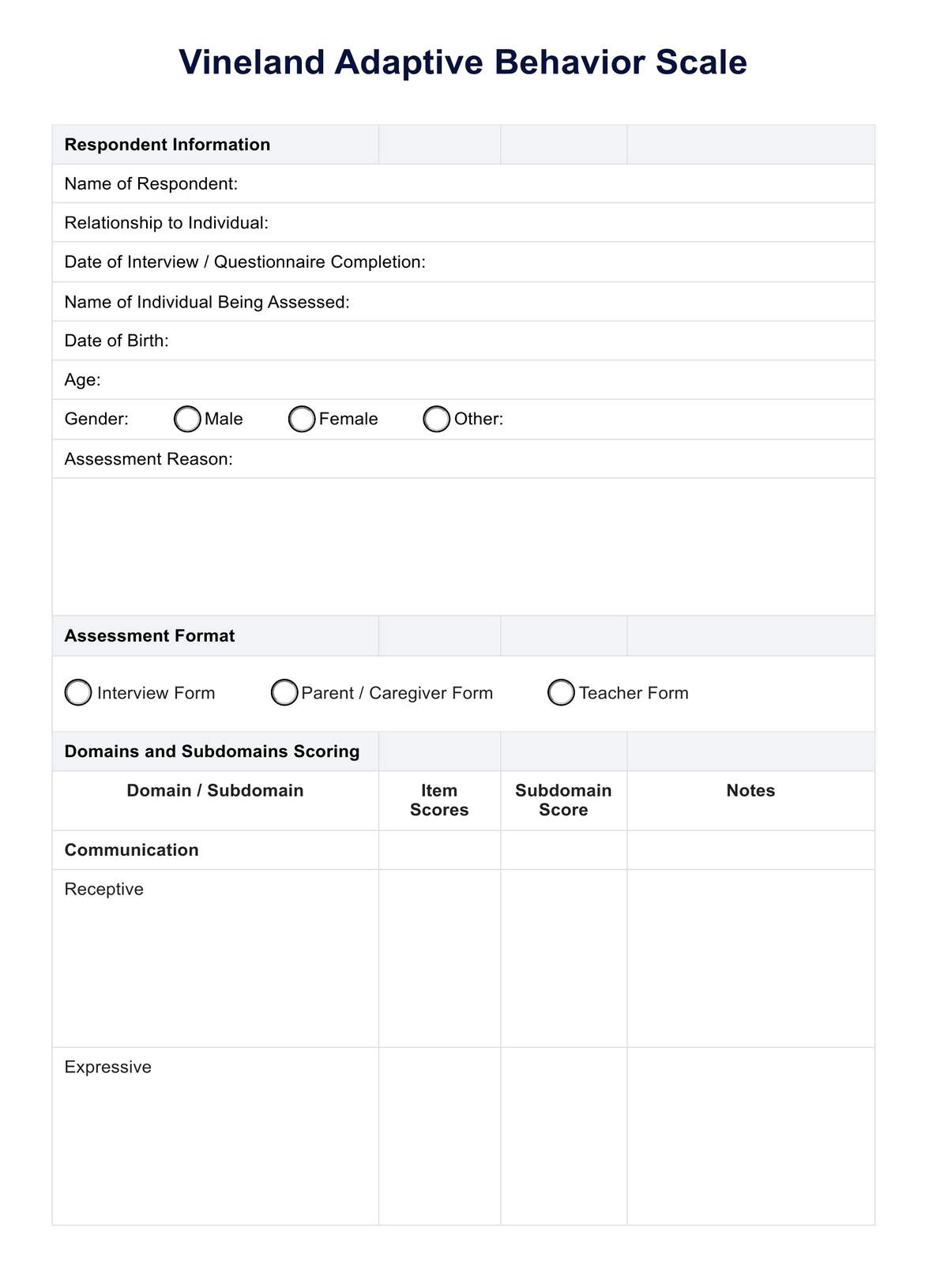




What is adaptive behavior?
Adaptive behavior concerns the age-appropriate behaviors necessary for independent living and safe, appropriate daily living skills. It includes a variety of skills and behaviors, from basic self-care to complex social and practical abilities.
These skills enable individuals to fulfill their needs, ensuring effective interaction and interpersonal relationships. They also help individuals adapt to the ever-changing demands of their environment, facilitating a well-rounded and productive life.
What does it mean to have adaptive behavior?
Adaptive behavior involves possessing the skills necessary for independence and social responsibility. This encompasses performing daily tasks, communicating effectively, and interacting socially. It also includes solving problems and making decisions contributing to personal well-being and societal integration.
Such behavior indicates an individual's capacity to adapt to changes, learn from experiences, and apply knowledge across various contexts. This adaptability is crucial for leading a productive and fulfilling life.
Why is it important for people to have adaptive behavior?
Adaptive behavior is crucial for people because it determines their ability to function independently in society. It impacts educational, vocational, and social success, enabling individuals to navigate life's challenges effectively. Without this, an individual may struggle with self-care, social interactions, and workplace demands, leading to difficulties in achieving a fulfilling and autonomous life.
What are examples of adaptive behavior?
- Self-care skills: Personal hygiene, dressing, eating, and ensuring personal safety.
- Communication skills: Expressing needs and desires effectively, understanding and responding to others.
- Social skills: Making friends, cooperating with others, respecting social norms, and displaying empathy.
- Practical skills: Managing money, using public transportation, shopping, and household tasks.
- Problem-solving skills: Identifying problems, generating solutions, and making decisions based on reasoning and past experiences.
What problems can the lack of adaptive behavior lead to?
The lack of adaptive behavior can lead to several challenges and problems across different areas of life. It may result in difficulties in:
- Independence: Individuals may struggle with basic self-care tasks, such as dressing, grooming, and feeding themselves, leading to a reliance on others for daily living activities.
- Social integration: Forming and maintaining relationships can be challenging without appropriate social and communication skills, often resulting in isolation and loneliness.
- Employment: Difficulty understanding and following workplace norms and tasks can make securing and retaining employment problematic.
- Educational achievement: Struggles with learning, problem-solving, and applying knowledge in new situations can impact educational success and personal development.
- Safety: A lack of awareness and understanding of potential dangers in the environment can increase the risk of accidents and harm.
- Mental health: Challenges in adapting to change and coping with stress may lead to increased anxiety, depression, and other mental health issues.
- Legal and ethical decision-making: Difficulties in understanding social rules and laws can result in socially inappropriate or even legally problematic behaviors.
Addressing these adaptive behaviors is crucial for enhancing an individual's ability to function and thrive in various aspects of life.









