
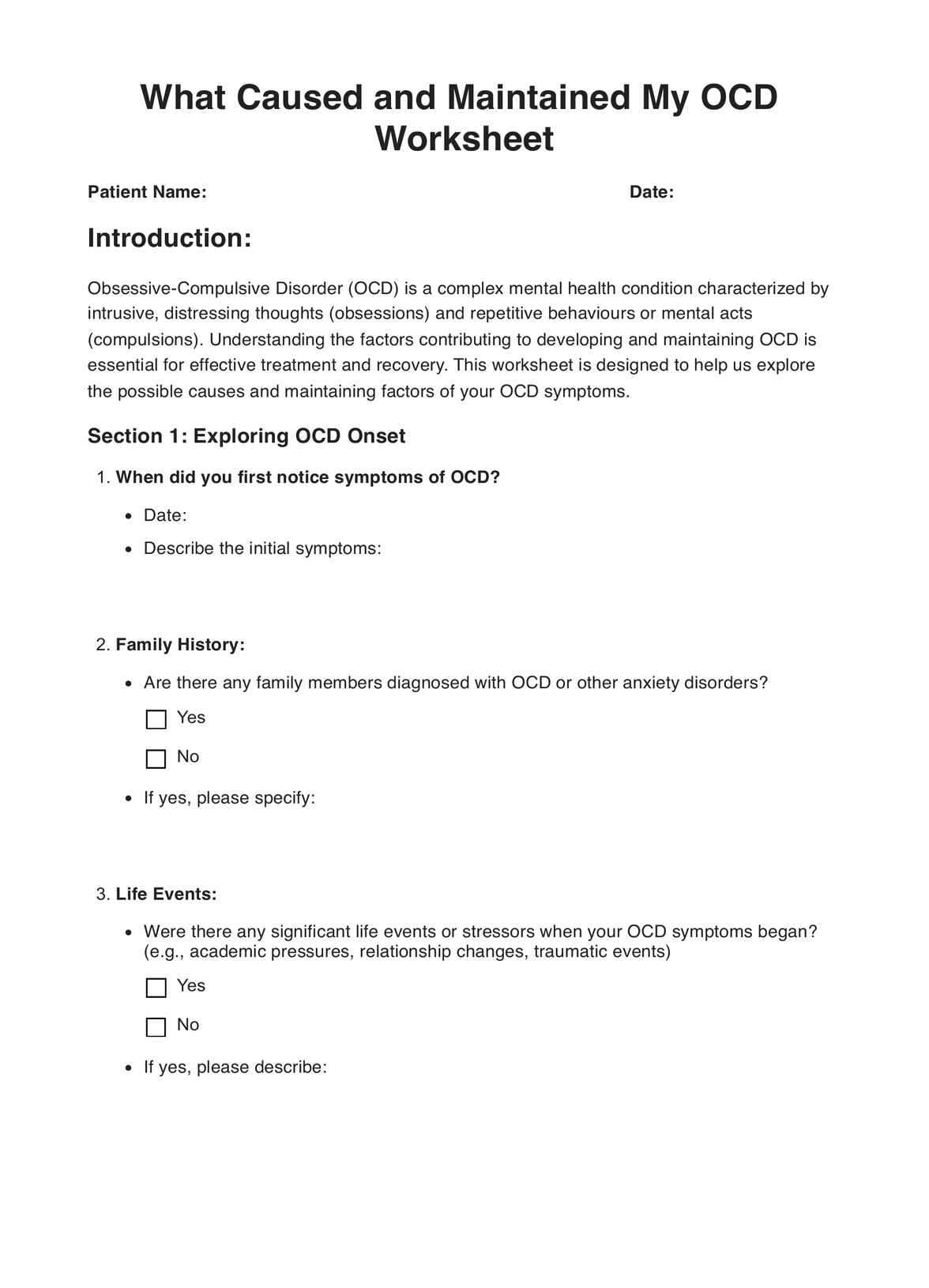




What is Obsessive-Compulsive Disorder?
(OCD) is a mental health condition characterized by obsessions and compulsions. Obsessions are persistent, intrusive, and distressing thoughts, ideas, or sensations, while compulsions are repetitive behaviors a person feels driven to perform to get rid of obsessions. Individuals with OCD frequently suffer excessive anxiety and are compelled to do these compulsions to relieve their distress.
Obsessions involve fears of contamination, harm to oneself or others, or the need for symmetry and order. The person recognizes these thoughts are excessive and unrealistic but struggles to control or dismiss them. Conversely, compulsions include excessive hand washing, checking, counting, praying, or other behaviors that a person may feel driven to do to ease their unwanted thoughts or sensations. The relief these compulsions provide is often short-lived, leading to a cycle of obsessions and compulsions that can take a big portion of a person’s day.
To be diagnosed with OCD, there should be a presence of intrusive obsessions and repetitive compulsions that demand a substantial amount of time (exceeding one hour daily), result in considerable distress, and negatively affect one's ability to function in work or social situations.
It is critical to understand that OCD is a real and treatable mental health condition and that seeking help from mental health professionals can give the support and strategies needed to reclaim control of one's life and lessen the impact of obsessions and compulsions.
Looking for other useful resources? Check out the video below:









