
Importance of practice management systems
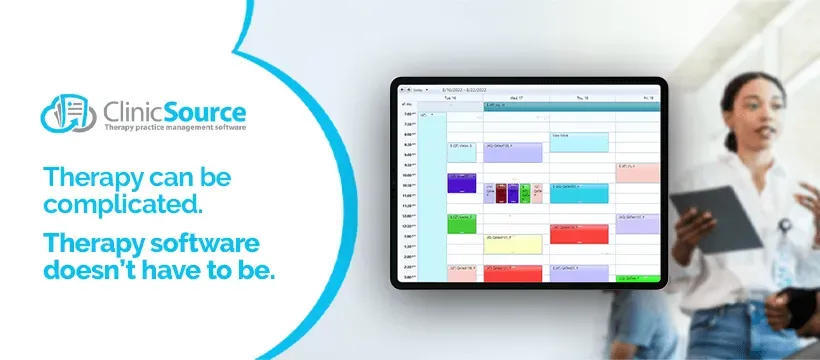
Practice management systems (PMS) are essential tools in modern healthcare settings. Designed specifically to reduce administrative workload, these systems centralize core tasks like scheduling, billing, documentation, and client communication.
For medical professionals, this means less time spent on paperwork and more time focused on patient care. PMS platforms also enhance organizational efficiency by consolidating patient records, calendars, and financial data in a single, accessible location, thereby reducing errors and streamlining workflows.
Automation features such as appointment reminders, claims processing, and note-taking reduce manual input, freeing up staff and clinicians to focus on higher-value tasks. Additionally, these systems enable practices to maintain financial stability through enhanced billing accuracy and expedited claims submission.
NHS compliance, fortified with SOC2 and ISO 27001, is also a key advantage, with PMS solutions built to meet healthcare regulations such as HIPAA. In short, a reliable practice management system is no longer optional—it’s a critical component for running a sustainable, efficient, and compliant healthcare practice. This is especially true for large hospital networks and multi-disciplinary care teams, enabling seamless team collaboration and secure patient information handling.